Harmonizing Wager Parameters With Activation Triggers in Tiered Volatility Frameworks
Felix Schmid · Oct 17, 2026
Harmonizing Wager Parameters With Activation Triggers in Tiered Volatility Frameworks
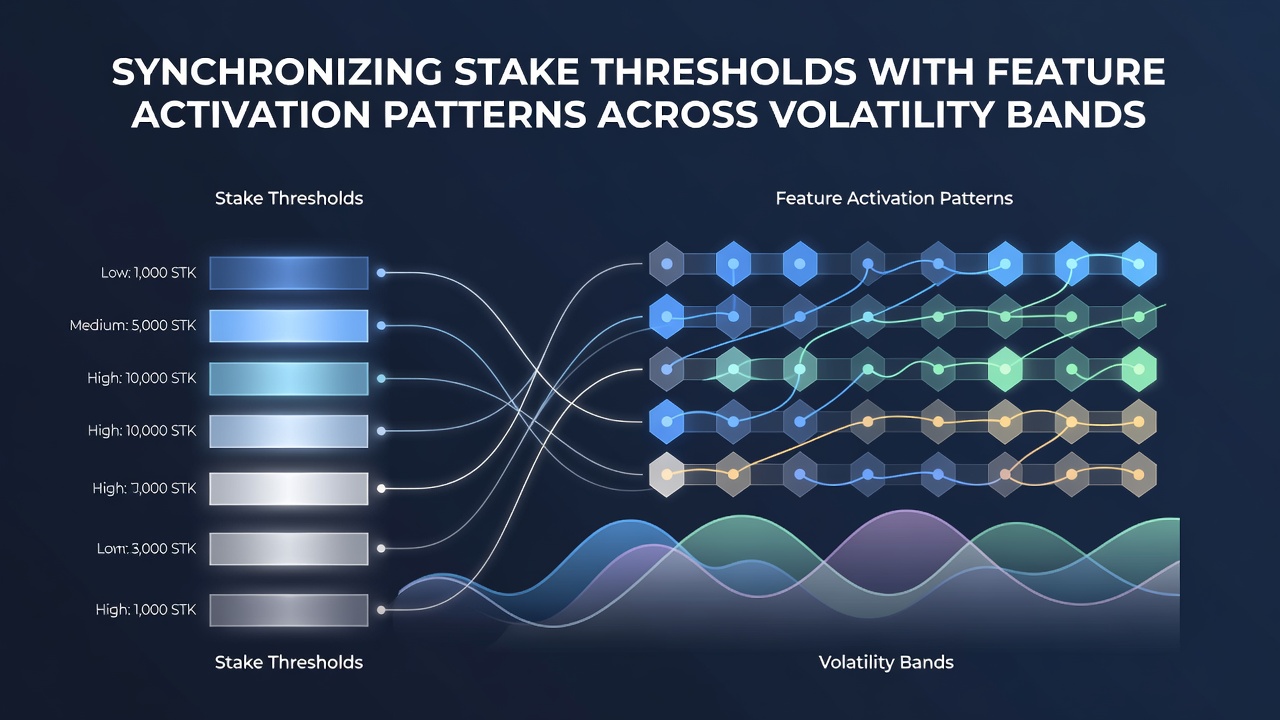
Slot developers align stake thresholds directly with feature activation points that shift according to volatility bands, and this coordination shapes how players encounter bonus rounds across low, medium, and high risk titles. Data from industry reports show that operators adjust minimum bet levels so low volatility games unlock frequent small features at lower stakes while high volatility titles require higher thresholds before multipliers or free spin sequences engage. Researchers at the University of Nevada, Las Vegas Center for Gaming Research have documented these patterns through analysis of payout distributions across thousands of game sessions.
Defining Volatility Bands and Their Impact on Activation Logic
Volatility bands categorize slots into tiers based on the frequency and size of returns, with low band games delivering steady small wins, medium band titles balancing both, and high band machines concentrating payouts in rarer larger events. Activation patterns for wild substitutions, scatter triggers, and progressive elements follow these bands because designers program hit rates to scale with bet size. When a player raises the stake past a programmed threshold, the game engine increases the probability of feature entry proportionally, and this scaling prevents low stakes from accessing high value mechanics in volatile titles.
Studies from the Canadian Gaming Association indicate that synchronization reduces player frustration in high band games because stake increases directly correlate with improved access to bonus states. Medium volatility titles often use stepped thresholds where each increment unlocks additional paylines or enhanced reel modifiers, and the same logic applies across different software providers who share common mathematical models for these systems.
Stake Threshold Mechanics Across Different Game Types
Design teams set stake floors so that feature activation remains balanced against the game's overall return to player percentage. In low volatility bands, features such as expanding symbols activate at the minimum bet, whereas high volatility games gate similar mechanics behind mid to upper stake ranges. This approach maintains the intended risk profile because higher bets fund the larger prize pools that define those titles. Observers note that progressive jackpot slots apply even stricter synchronization, requiring maximum bet levels before players qualify for the top tier prize pool.
Case Examples From Current Deployments
One major platform released a series of titles in early 2026 that adjusted activation curves based on real time volatility calculations, and figures reveal that sessions at synchronized stake levels showed more consistent feature engagement rates. Another developer integrated dynamic thresholds that respond to session length, raising the bar for high volatility features only after players demonstrate sustained play at lower levels. These adjustments appear in both online and land based environments where regulatory frameworks in multiple jurisdictions require transparent disclosure of how bet size influences bonus probability.
Technical Implementation and Data Patterns
Engineers use weighted random number generators that factor stake size into the feature trigger equation, and the weighting increases linearly or exponentially depending on the volatility band. Low band games apply gentle curves that allow entry at nearly any stake, while high band titles employ steeper ramps that reward larger wagers with exponentially higher activation odds. Reports compiled by the Australian Gambling Research Centre highlight that these models undergo extensive simulation testing before release to ensure mathematical integrity across millions of spins.
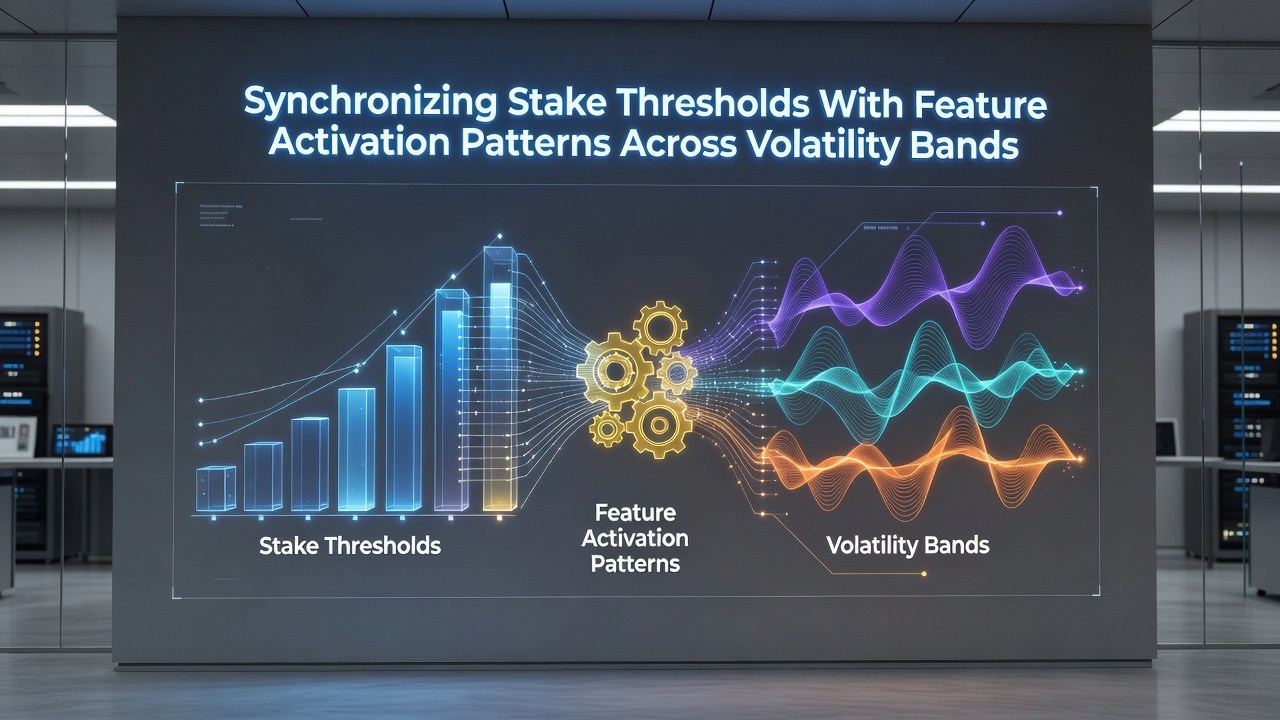
October 2026 brought updated compliance standards in several North American markets that require operators to publish activation probability tables alongside volatility ratings. The new guidelines emphasize clear mapping between stake levels and feature entry points, and data collected since the rollout shows improved player understanding of how bet size influences game behavior. Industry organizations such as the International Association of Gaming Advisors have begun collecting comparative studies that track synchronization effectiveness across different regulatory environments.
Player Bankroll Considerations and Threshold Awareness
Players who understand these synchronization rules adjust their stake choices to match the volatility band of the chosen title. Those engaging high volatility machines often begin at mid range stakes to test activation frequency before committing larger amounts, and this strategy aligns with observed patterns in session data. Low volatility titles permit smaller starting stakes because features remain accessible without large bet escalations. Educational materials from gaming research institutions encourage bankroll planning that accounts for the minimum stake needed to reach desired feature states within each volatility tier.
Conclusion
Stake threshold synchronization with feature activation patterns creates a structured relationship between player investment and game mechanics across volatility bands. Current implementations rely on precise mathematical modeling that scales activation probabilities according to bet size while preserving each title's intended risk characteristics. Ongoing regulatory updates and academic research continue to refine these systems, and the resulting frameworks support transparent play experiences in both digital and physical gaming environments.