Britain's Spinning Reels Face New Winds of Change
Petra Klein · Aug 25, 2026

UK Gambling White Paper Reforms Move Forward with Slot Limits and Protection Rules in Mid-2026
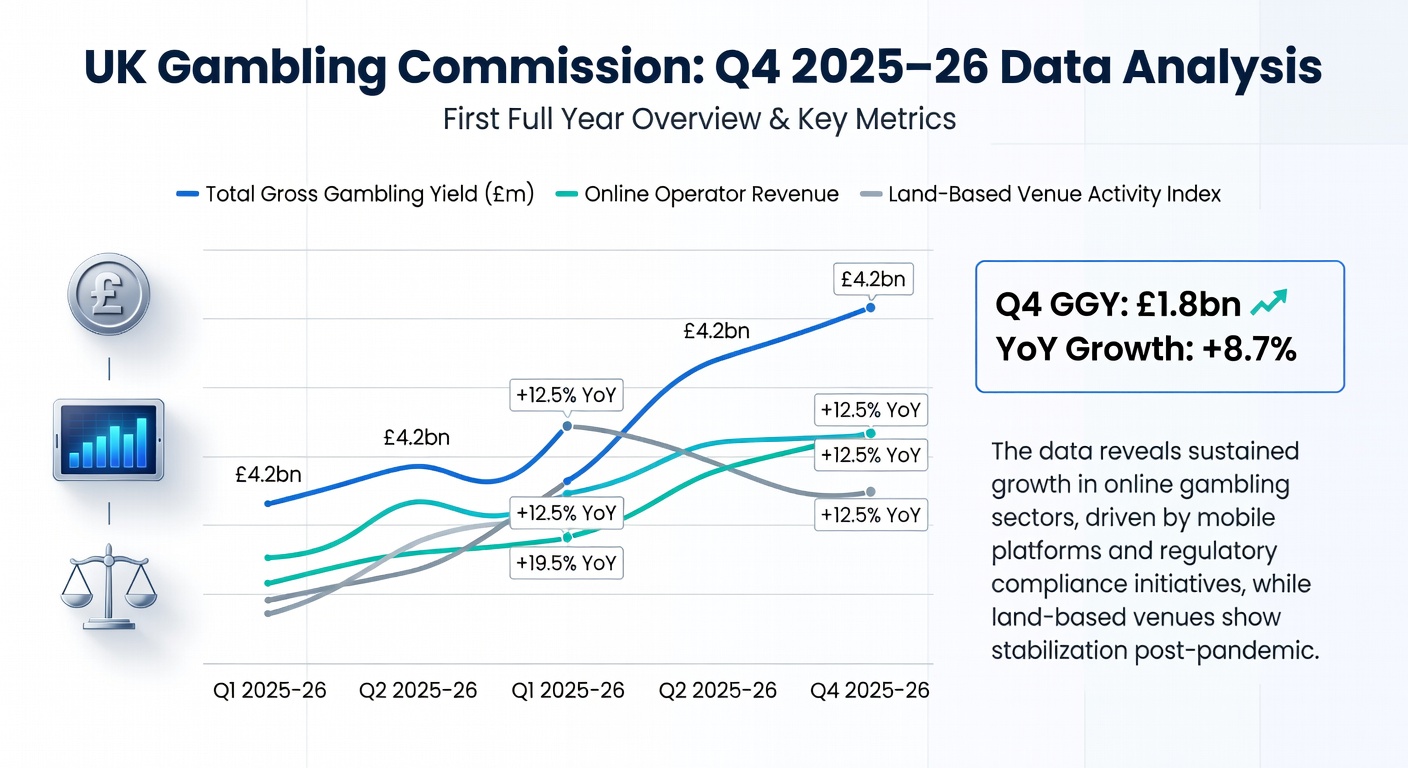
Developments from the UK Government’s 2023 Gambling White Paper continue to shape online gambling rules as of mid-2026, with several measures now in force and others still progressing through implementation stages. Observers note that the focus remains on stake controls for slots alongside adjustments to bonus mechanics and financial limit displays, all aimed at refining player safeguards without disrupting established operations.
Online Slot Stake Limits Take Effect
Stake limits for online slots came into operation earlier in 2026, setting a £5 maximum for players aged 25 and over while capping younger adults at £2 per spin. These thresholds apply across licensed operators and reflect the White Paper’s emphasis on age-differentiated protections, which data from the Gambling Commission shows target higher-risk groups more precisely. Implementation required software updates across multiple platforms, yet most major sites completed the changes ahead of the deadline to maintain uninterrupted service.
SRCP 5.1.1 Adjustments Reshape Bonus Structures
Changes to Social Responsibility Code Provision 5.1.1 took effect on 19 January 2026, introducing a 10x cap on bonus wagering requirements and prohibiting mixed-product promotions that combine slots with other game types. Operators adjusted their marketing and bonus terms accordingly, with many shifting toward single-product offers that comply with the new wording. Figures from industry monitoring indicate these modifications reduced certain promotional volumes, though overall player engagement metrics remained stable in the following months.
RTS 12 Updates Clarify Financial Limit Tools
Remote Technical Standard 12 revisions became active on 30 June 2026, requiring clearer presentation of deposit and spend limits within player interfaces. The updates mandate simplified language and prominent placement so users can set or adjust limits without navigating multiple screens. Compliance reports submitted to the Gambling Commission confirm that the majority of operators met the standard on schedule, with testing focused on mobile compatibility and real-time feedback displays.
Financial Risk Assessments Pilot Continues
The Gambling Commission’s pilot programme on enhanced financial risk assessments remains active through mid-2026, gathering data on how affordability checks integrate with existing verification processes. Participants include a select group of operators testing tiered assessment models that trigger at different spending thresholds. Early outputs referenced in consultation responses published 4 February 2025 and 26 March 2025 suggest the approach identifies patterns that standard credit checks might miss, prompting further refinement before any nationwide rollout.
Additional player protection elements under review include real-time spending alerts and mandatory breaks after prolonged sessions. These measures build on the White Paper’s original framework while incorporating feedback from both industry and advocacy groups. The pilot’s scope covers online slots primarily, though some land-based data feeds into comparative analysis.
Broader Context of Ongoing Reforms
Since the White Paper’s publication, successive updates have layered new requirements onto existing licensing conditions, creating a cumulative effect on operator systems. The January and June 2026 deadlines represent the latest milestones in that sequence, each addressing specific gaps identified during earlier consultation rounds. Stakeholders track these changes through official guidance notes, which detail technical specifications and reporting obligations in precise language.
One notable aspect involves how the stake limits interact with the new bonus restrictions, since reduced wagering caps limit the value players can extract from promotions tied to higher stakes. Operators have responded by redesigning loyalty schemes that avoid the banned mixed-product formats, focusing instead on slots-only rewards that stay within the 10x threshold.
Conclusion
The 2023 White Paper reforms continue their phased rollout into the second half of 2026, with slot stake limits, SRCP 5.1.1 modifications, and RTS 12 enhancements now operational while the financial risk assessment pilot gathers further evidence. These steps reflect incremental progress toward the document’s stated goals of balanced regulation, supported by data collected through ongoing monitoring and operator submissions. Additional guidance is expected as the pilot concludes and any wider application of its findings takes shape.